“Tour Package.”
Two words that make experienced travelers cringe. Crowded buses. Megaphones. Bathroom breaks timed to the minute. That rigid, soul-crushing schedule where you’re herded like cattle between monuments.
But here’s the thing about Bhutan. It’s neither Goa, nor Thailand. Not somewhere you figure out after landing.
This tiny Himalayan kingdom runs on government regulations most tourists don’t even know exist. Mandatory fees. Required guides. Permits for specific valleys. Try “winging it” here and watch your vacation unravel at the first checkpoint.
A package in Bhutan isn’t restricted. It’s the difference between a smooth trip and a bureaucratic nightmare.
SCS Journeys builds Bhutan tour packages around this reality. When you land in Paro, permits are sorted. The driver knows the roads. The guide actually tells stories instead of reading scripts. Everything works.
The Economics of DIY vs. Professional Planning
Bhutan operates a “High Value, Low Volume” tourism policy. It might sound fancy but it means expensive and regulated. Piecing together a DIY trip sounds adventurous until paperwork eats three days of your holiday.
The SDF Situation:
- Indian nationals pay ₹1,200 per person per night as Sustainable Development Fee.
- International visitors? USD 100 per night.
- This isn’t optional. The government mandates it before permits get issued. We handle payments upfront. You skip immigration headaches.
Guides aren’t optional
Bhutanese law requires a licensed guide for travel beyond border towns. There is no provision of “recommended.” but required. We partner with people who actually know history—not phone-scrollers reading Wikipedia.
Permit maze
Entry permit covers Thimphu and Paro only. Want Punakha? Phobjikha? Bumthang? Route Permits needed. Restricted regions require Special Area Permits on top. SCS Journeys handles all of it. Every document verified before you board.
Our Bhutan Tour Packages
- 4-Night Thimphu-Paro Essential: Classic introduction. Capital highlights. Tiger’s Nest. Major dzongs. Enough breathing room to actually enjoy things. Best for first-timers with limited leave.
- 6-Night Thimphu-Punakha-Paro Circuit: Adds Punakha Valley—warmer weather, that magnificent dzong at river confluence, Chimi Lhakhang fertility temple hike. This is where Bhutan reveals deeper layers.
- 8-Night Complete Experience: Extends into Phobjikha Valley. Black-necked cranes during winter migration. Gangtey Monastery. Nature trails. That rare feeling of genuine remoteness.
- 10-Night Bumthang & Beyond: Spiritual heartland. Ancient temples. Jakar Dzong. Burning lakes. Longer drives but transformative for the right traveler.
- Custom Itineraries: Festival trips—Paro Tshechu, Thimphu Tshechu, Punakha Drubchen. Or entirely your own thing. Enjoy Photography expeditions and spiritual retreats. Explore the natural beauty of Haa Valley.
Famous Places to Visit in Bhutan
Tiger’s Nest Monastery (Paro Taktsang)
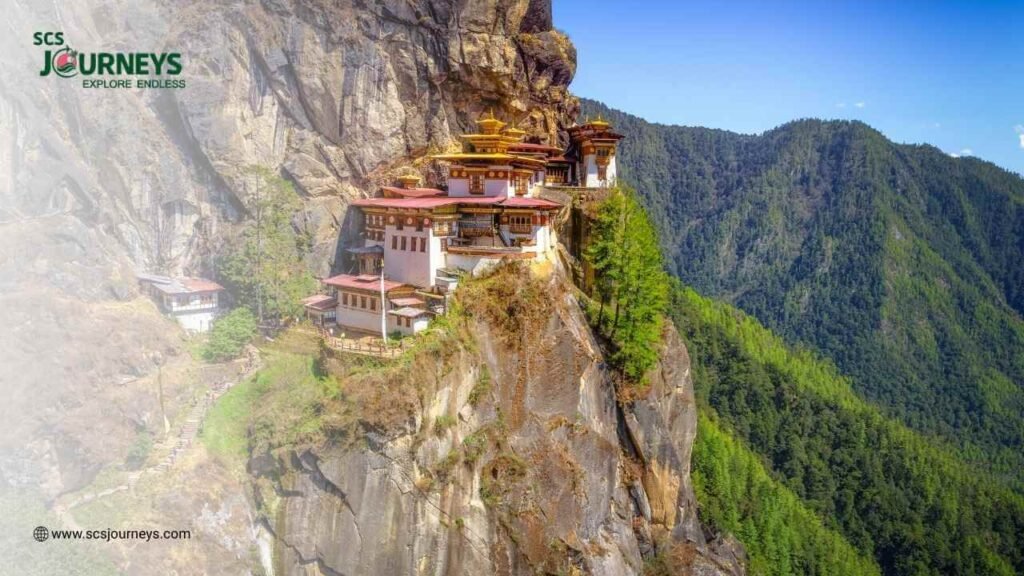
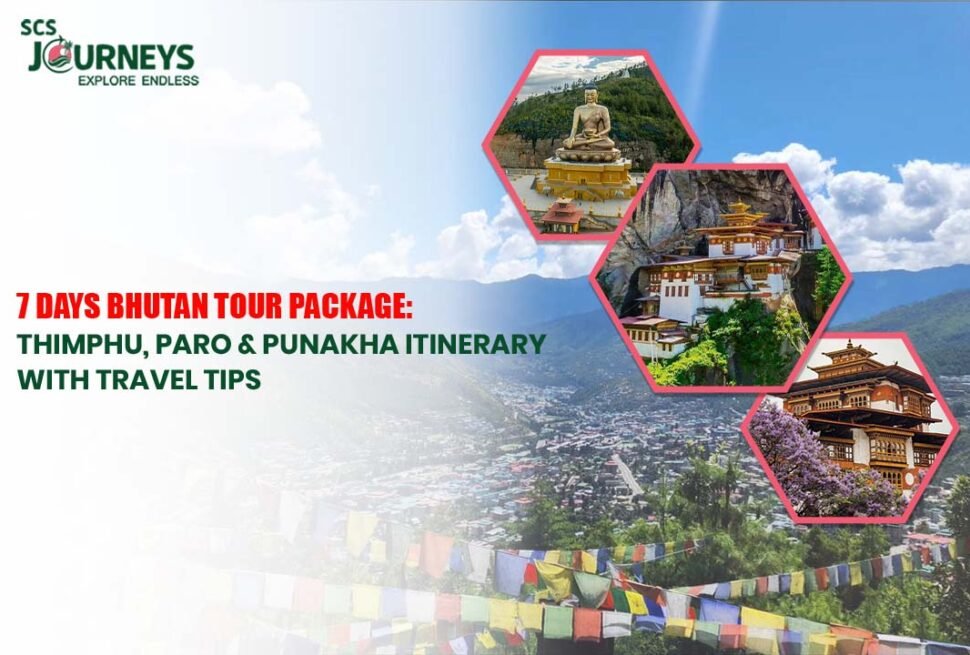
The image is recognised by everyone. Clinging to a cliff face 900 meters above the valley floor. Trek takes 4-6 hours depending on fitness. Tough? Yes. Is it worth ? Absolutely. Can’t manage a full climb? We arrange ponies for the first half or viewpoint visits.
Punakha Dzong
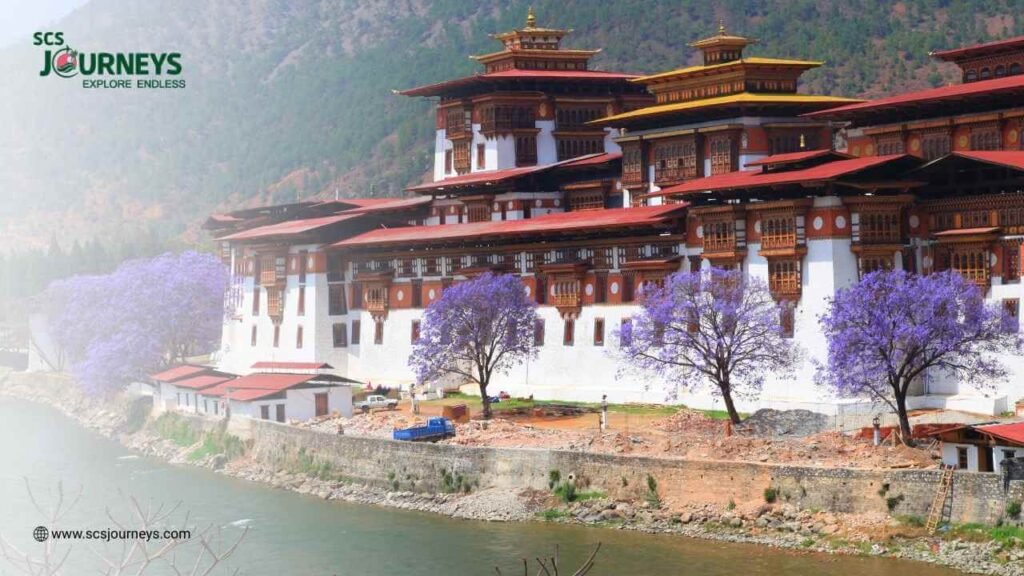
Arguably Bhutan’s most beautiful fortress. Sits where Mo Chhu and Po Chhu rivers meet. Architecture alone takes an hour to absorb. Royal weddings happen here. History lives in these walls.
Buddha Dordenma (Thimphu)
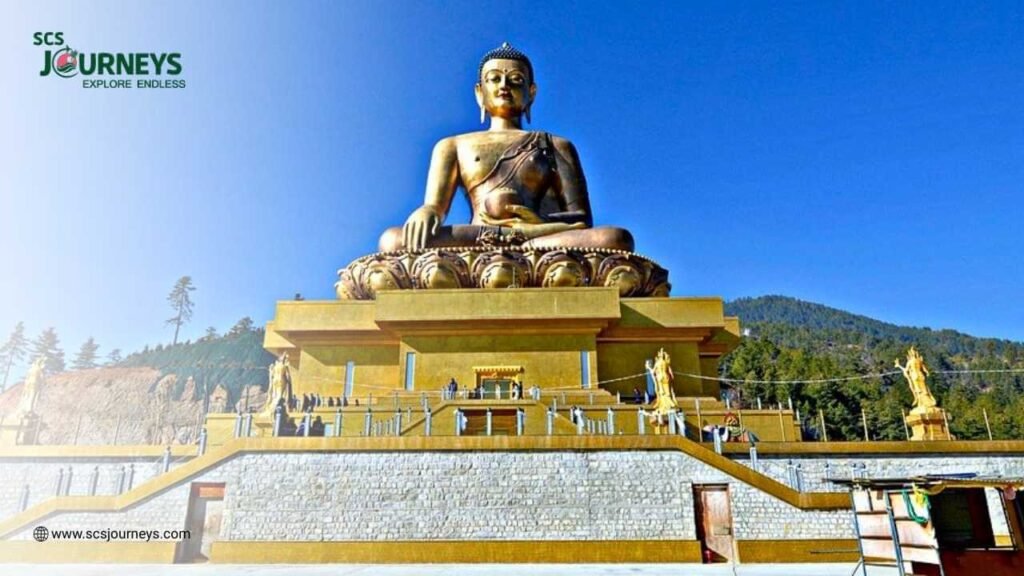
One of world’s largest Buddha statues. 51 meters tall. It overlooks the entire Thimphu valley. Inside—125,000 smaller Buddha statues. The scale doesn’t hit until you’re standing at its feet.
Dochula Pass
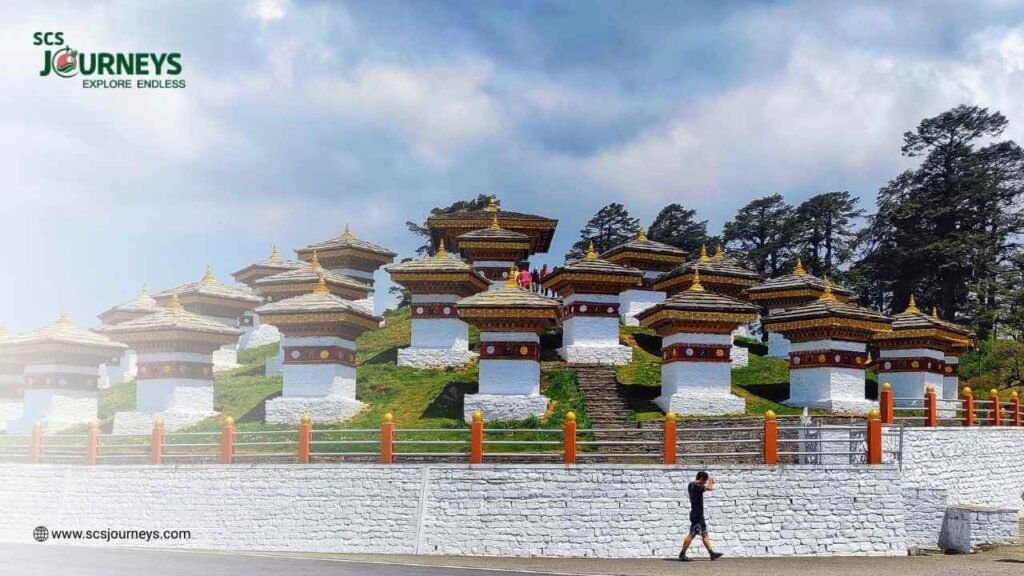
108 memorial chortens on mountain pass between Thimphu and Punakha. Clear winter mornings give panoramic Himalayan views including Gangkhar Puensum —world’s highest unclimbed peak.
Phobjikha Valley
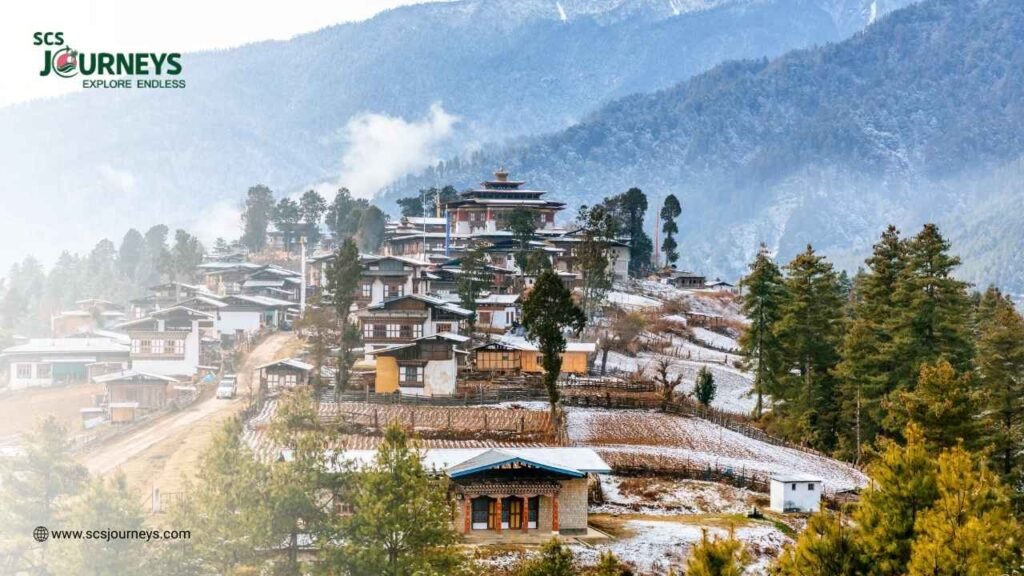
Glacial valley. Wide open. Feels like stepping into another century. Late October through February, endangered black-necked cranes migrate from Tibet. November’s crane festival is worth timing the entire trip around.
Chimi Lhakhang
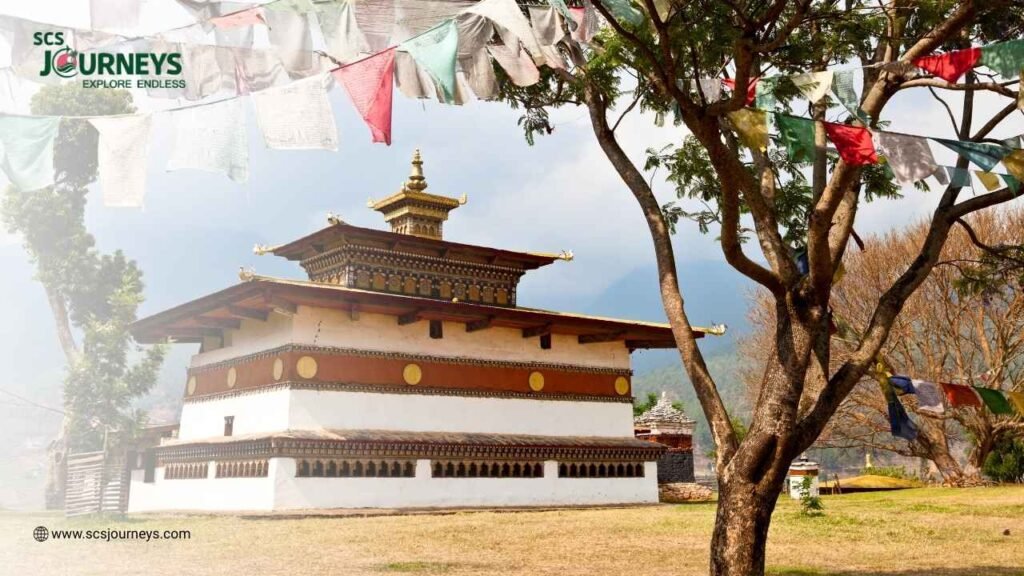
“Fertility Temple” from the 15th century. The 20-minute walk through rice paddies is half the experience. Phallus symbols painted on nearby houses surprise first-timers—ancient tradition, completely normal here.
Curating Experience: One Size Fits Nobody
| Traveler Type | Our Approach |
| Luxury & Leisure | Pace over checklists. Boutique properties. Time to actually sit in Punakha Dzong courtyard instead of rushing photos. |
| Family & Seniors | Transit comfort priority. Heavy-duty SUVs minimizing motion sickness. Shorter drives. Engaging stops. |
| Custom Adventure | You dictate flow. Haa Valley hikes. Spiritual retreats. We handle logistics invisibly. |
Why SCS Journeys Is the Strategic Choice
“Cheapest” in travel usually means a warning sign. Poor heating. Script-reading guides. Vehicles that shouldn’t be on mountain roads. SCS Journeys runs on Value and Reliability.
- Terrain knowledge: We know which roads are under repair. Which hotel rooms have views worth the upgrade. Which restaurants won’t wreck tourist stomachs.
- Human accountability: Paro flight delayed? Pass snowed in? You have actual humans to call. We re-route, re-book, and resolved. No algorithm. No hold music.
- Seasonal value: Holiday deals align with lean seasons. Quality never drops. Only price does.
Frequently Asked Questions [FAQs]
Indian nationals can technically drive their own vehicles with permits—but paperwork is exhausting. International visitors need mandatory guides beyond border towns. A professional operator absorbs this entirely.
By design. SDF funds free healthcare, education, and conservation. You’re paying for clean air, empty trails, and culture not diluted by mass tourism.
No. It’s strenuous—4-6 hours. We offer alternatives: base viewpoint, ponies for first half, skipping entirely. Your trip.
Valid passport (six months) or Voter ID. Children need birth certificate with guardian docs. Entry permit free at Paro Airport or Phuentsholing border.
Spring (March-May) for rhododendrons. Autumn (September-November) for festivals. Winter for discounts and crane migration. Summer—fewer tourists, lower prices, occasional rain.
The Verdict
You can visit Bhutan as tourist. Ticking boxes. Rushing monuments. Wondering constantly if you’re doing it right. Or visit as guest. Guided by people respecting land and your time. Logistics handled invisibly.
Discover the SCS Journeys difference. Let us build your perfect itinerary.